
























Tooth Extractions
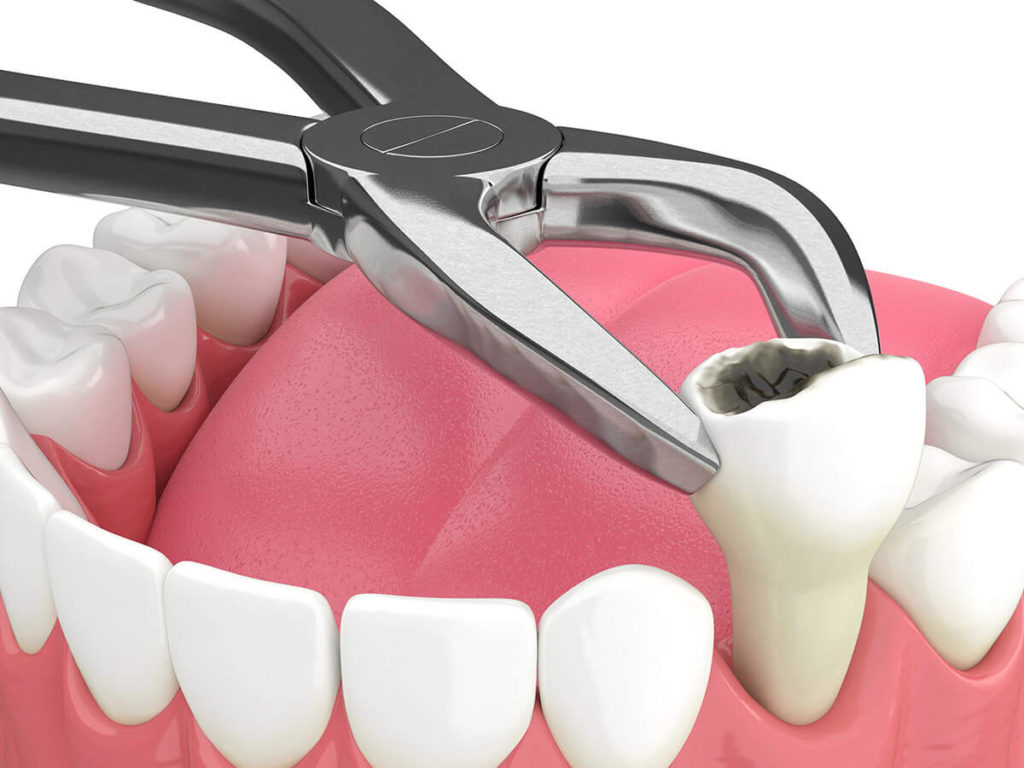
Although we strive to preserve your natural teeth whenever possible, sometimes removing a tooth is the healthiest option. When an extraction is necessary, we focus on making the process as smooth and comfortable as possible.
Tooth Extractions at Finger Lakes Dental
At Finger Lakes Dental Care, tooth extractions are typically quick and comfortable thanks to the use of effective anesthesia. Once the tooth is removed, the focus shifts to proper healing. We’ll have you bite gently on a gauze pad for 30 to 45 minutes to help form a blood clot, which is essential for recovery. It’s very important not to disturb this clot for the first 24 hours.
To reduce swelling, we recommend applying an ice pack to the outside of your cheek shortly after the procedure. As swelling subsides, a warm compress can provide additional comfort. Gentle rinsing with warm salt water after the first day helps keep the area clean and supports healthy healing. Our team will guide you through every step to ensure the smoothest recovery possible.
-
How do I prevent dry socket after tooth extraction?
To prevent dry socket after a tooth extraction, it’s important to protect the blood clot that forms in the socket. Avoid drinking through straws, smoking, or using tobacco for at least 48 to 72 hours, as the suction and chemicals can dislodge or dissolve the clot. Stick to soft foods, chew on the opposite side of your mouth, and avoid vigorous rinsing or spitting during the first day.
Keep the extraction site clean by gently rinsing with warm salt water starting 24 hours after the procedure, and follow all post-operative instructions from your dentist. Proper rest, careful eating, and avoiding disruptive habits are the best ways to support healing and reduce the risk of dry socket.
-
When and why are wisdom teeth removed?
Wisdom teeth removal is typically recommended when the third molars don’t have enough space to grow in properly or when they pose a risk to your oral health. This often occurs in the late teens or early twenties, when the third molars begin to emerge. If wisdom teeth become impacted—meaning they are trapped beneath the gums or grow in at an angle—they can cause pain, swelling, infection, crowding, or damage to nearby teeth.
Dentists recommend removing them before complications develop or when early signs of problems appear on X-rays. Taking them out at a younger age also usually leads to an easier, faster recovery.
-
What causes the need for tooth extraction?
Tooth extraction is needed when a tooth can’t be saved or when keeping it would harm your oral health. Common reasons include severe decay that has damaged the tooth beyond repair, advanced gum disease that loosens the tooth, or a fracture that extends below the gumline. In some cases, teeth are removed to make space for orthodontic treatment or to address crowding.
Impacted teeth—especially wisdom teeth—may also require extraction if they cause pain, infection, or pressure on surrounding teeth. Your dentist will evaluate the situation and recommend extraction only when it’s the healthiest option for your smile.
More questions about tooth extractions?
If you have additional questions about tooth extractions—including emergency tooth extractions—or want to schedule an appointment, please reach out to our office and we’ll be happy to help.