








Sleep Apnea Treatment
Sleep apnea is a serious condition that can contribute to significant health problems if left untreated. We offer effective treatment options for many cases to help you protect your health and improve your well-being.
Sleep Apnea Treatment at Finger Lakes Dental
Sleep apnea is a condition in which breathing repeatedly stops or becomes shallow during sleep, often because the throat muscles relax enough to block the airway. This type, known as obstructive sleep apnea, can lead to poor sleep, frequent sore throats, morning headaches, and a constant feeling of fatigue.
We care about your overall well-being, including your sleep health. Many people unknowingly suffer from sleep disorders that limit oxygen intake and put them at higher risk for serious health issues; in fact, sleep disorders significantly increase the likelihood of heart attacks and strokes. With specialized training, we provide clear guidance and effective treatment options to help you improve your sleep and protect your long-term health.
-
How is sleep apnea diagnosed?
Sleep apnea is typically diagnosed through a sleep study, which measures your breathing, oxygen levels, heart rate, and sleep patterns. This can be done overnight in a sleep lab or, in many cases, with a convenient take-home sleep test. A sleep specialist reviews the results to determine whether you have sleep apnea and how severe it is. From there, your dentist or physician can recommend the most appropriate treatment based on your diagnosis.
-
What are common sleep apnea symptoms?
Common symptoms of sleep apnea include loud snoring, frequent pauses in breathing during sleep, gasping or choking at night, and waking up feeling tired despite a full night’s rest. Many people also experience morning headaches, dry mouth, irritability, difficulty concentrating, and daytime sleepiness. Because these signs can be subtle or mistaken for other issues, a sleep study is often needed for an accurate diagnosis.
-
How is sleep apnea treated?
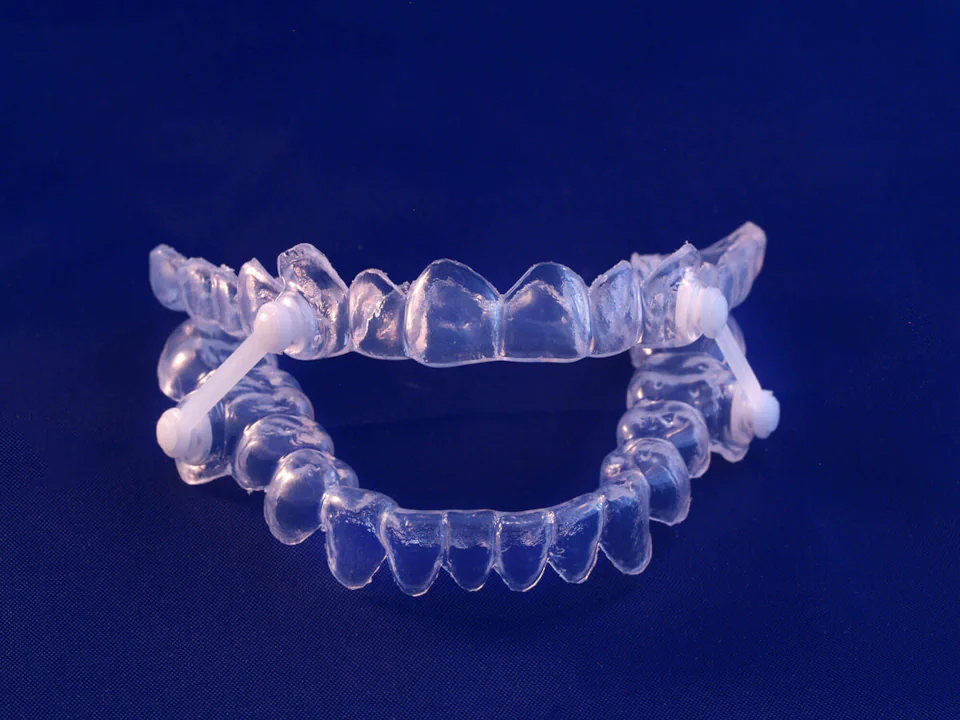
Sleep apnea can be treated in several ways, depending on the severity of the condition and the patient’s needs. Mild to moderate cases are often managed with custom oral appliances that reposition the jaw to keep the airway open during sleep. These devices are comfortable, easy to use, and a great alternative for patients who cannot tolerate a CPAP machine.
More severe sleep apnea may require CPAP therapy, which delivers steady air pressure through a mask to prevent airway collapse. In certain cases, lifestyle changes or surgical options may also be recommended. Your dentist or sleep specialist will help determine the most effective treatment based on your diagnosis and symptoms.
More questions about sleep apnea treatment?
If you have additional questions about treatment for sleep apnea or want to schedule a consultation, please reach out to our office and we’ll be happy to help.