






















Root Canal Treatment
Root canal treatment can preserve an infected tooth that would otherwise need to be extracted. It’s a reliable procedure that restores your oral health and maintains your tooth’s natural appearance.
Save Your Natural Tooth and Relieve Pain
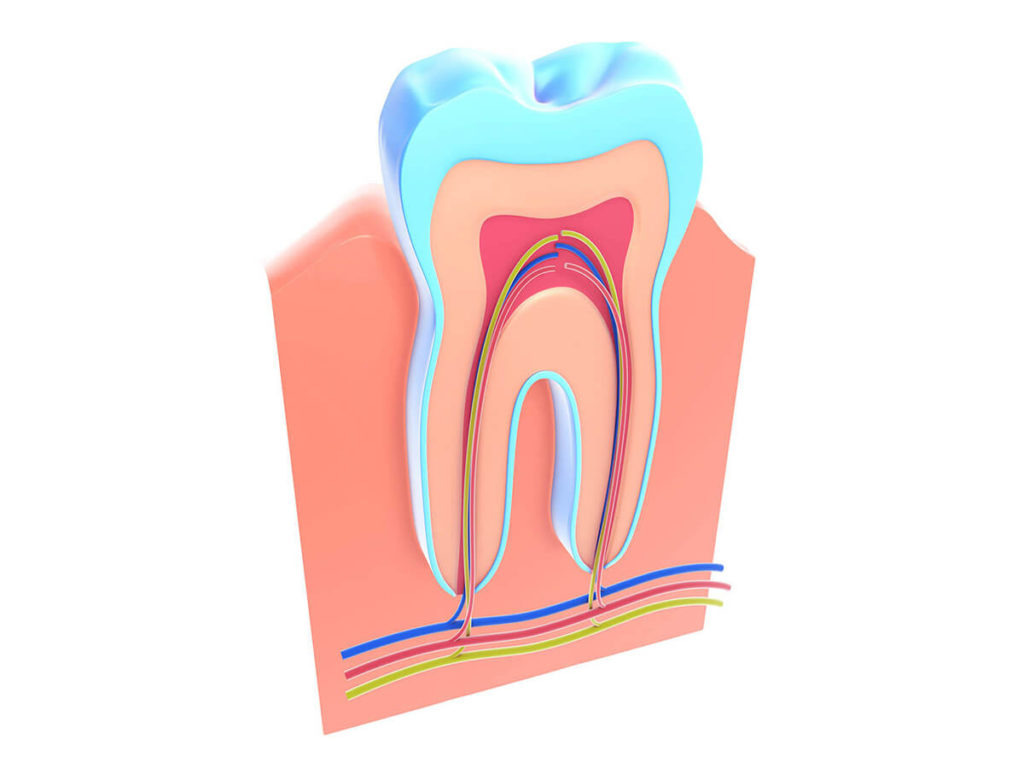
A tooth’s inner structure contains a soft tissue called the pulp, which houses nerves and blood vessels that help keep the tooth healthy. Normally, strong outer enamel protects this sensitive area. However, when deep cavities, cracks, or injuries allow bacteria to reach the pulp, a serious infection can develop. Without proper treatment, the infection can spread, cause significant pain, and eventually lead to tooth loss.
Root canal treatment offers an effective way to eliminate the infection while preserving your natural tooth. By cleaning and sealing the inner chamber, this procedure restores your tooth’s function and prevents further damage. If you suspect a tooth infection or are experiencing pain, schedule your appointment at any of the five Finger Lakes Dental locations today.
-
How is root canal treatment performed?
Root canal treatment is performed by removing the infected or damaged pulp from inside the tooth, then cleaning and shaping the inner chamber to eliminate bacteria. Once the area is fully disinfected, the space is filled with a safe, rubber-like material and sealed to prevent future infection. Most teeth treated with a root canal are then restored with a crown to strengthen and protect them. The procedure is typically done under local anesthesia, making it comfortable and similar to having a routine filling.
-
How long does the pain from a root canal last?
Some mild discomfort or sensitivity is normal for a few days after a root canal, especially when chewing or applying pressure. This soreness usually fades within 2 to 5 days as the tooth and surrounding tissues heal. Over-the-counter pain relievers are often enough to manage any lingering discomfort. If pain persists longer than a week or becomes severe, it’s important to contact your dentist, as it may indicate a complication that needs attention.
-
What are the alternatives to root canal treatment?
The main alternative to root canal treatment is having the infected tooth removed. Tooth extraction eliminates the source of infection, but it also leaves a gap that can affect chewing, speech, and the alignment of surrounding teeth. If the tooth is removed, your dentist will likely recommend replacing it with a dental implant, bridge, or partial denture to restore function and appearance.
While extraction may be appropriate in some situations, root canal therapy is generally preferred because it allows you to keep your natural tooth. Your dentist can review your specific case and help you choose the option that best supports your long-term oral health.
More questions about root canal treatment?
If you have additional questions about root canal treatment or want to schedule an appointment, please reach out to our office and we’ll be happy to help.