

























Periodontal Disease Treatment (Gum Disease)
Gum disease is a serious condition that can affect anyone, often progressing before symptoms are obvious. We offer comprehensive periodontal care for every stage of gum disease to help restore and protect your oral health.
Gum Disease Treatment at Finger Lakes Dental
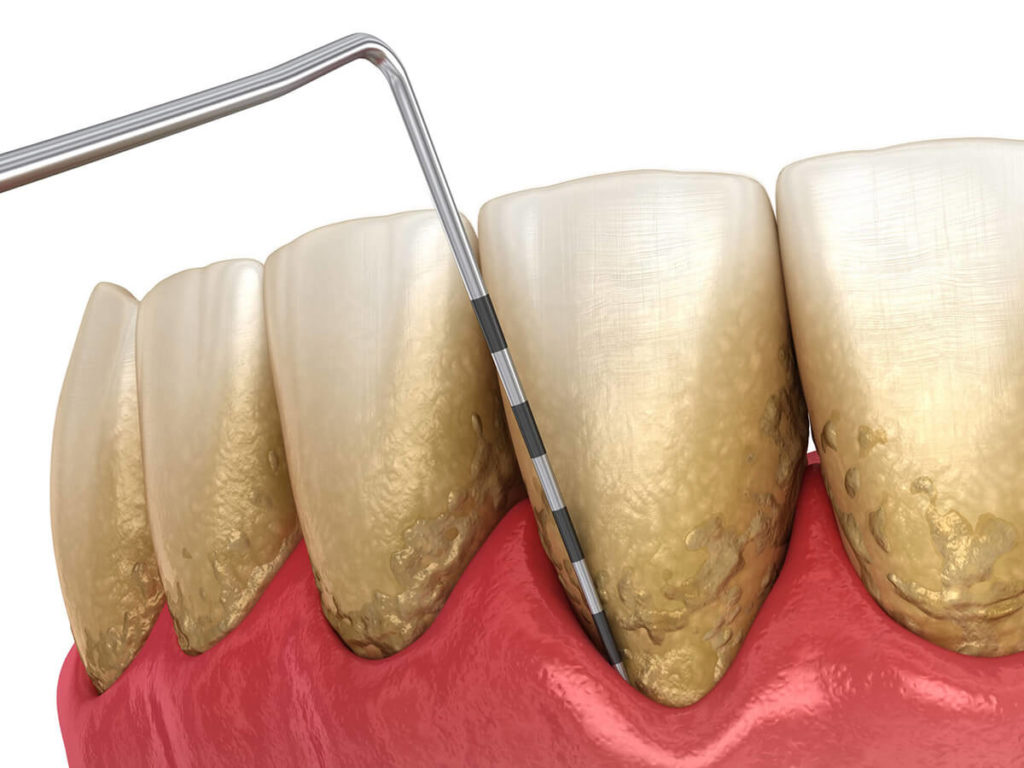
Periodontal disease—often referred to as gum disease or periodontitis—is an infection that affects the gums and the bone supporting your teeth. It typically begins as gingivitis, marked by symptoms like redness, swelling, and occasional bleeding. When caught early, these signs are reversible, but without proper care, the infection can progress deeper into the tissues and cause permanent damage to the structures that keep your teeth stable.
Our practice provides comprehensive periodontal treatment to address every stage of gum disease. From preventative cleanings and improved at-home care guidance to deep scaling and targeted therapies, we tailor each plan to stop the progression of infection and restore gum and bone health. Our goal is to protect your smile and help you maintain long-term oral wellness.
-
What are the signs of periodontal disease?
Common signs of periodontal disease include red, swollen, or tender gums, as well as bleeding during brushing or flossing. You may also notice persistent bad breath, gum recession, or changes in how your teeth fit together when you bite. In more advanced stages, teeth can feel loose or shift position. Because early symptoms can be subtle, regular dental checkups are essential for detecting gum disease before it progresses.
-
How is periodontal disease treated?
Periodontal disease is treated based on how advanced the infection is. Early stages like gingivitis are often managed with improved at-home brushing and flossing habits paired with professional cleanings to remove plaque and reduce inflammation. As the disease progresses, deeper treatments such as scaling and root planing are used to clean beneath the gumline and help the gums reattach to the teeth.
For more advanced periodontitis, additional therapies may be recommended, including localized antibiotics, periodontal maintenance visits, or procedures to regenerate lost bone and tissue. In severe cases, surgical intervention may be needed to restore gum health. Your dentist will create a personalized treatment plan to stop the infection, protect the supporting structures, and help you maintain long-term gum health.
-
What causes gum disease?
Gum disease is primarily caused by the buildup of plaque, a sticky film of bacteria that forms on the teeth. When plaque isn’t removed through regular brushing, flossing, and professional cleanings, it hardens into tartar and triggers inflammation in the gums. Other factors can increase the risk as well, including smoking, diabetes, genetics, hormonal changes, certain medications, and poor oral hygiene habits. Over time, this ongoing inflammation can damage the gums and supporting bone, leading to periodontal disease.
More questions about gum disease treatment?
If you have additional questions about gum disease treatment or want to schedule an appointment, please reach out to our office and we’ll be happy to help.